
The problems we are trying to solve
“Empowering women. Nurturing future generations.”
Poor nutrition in children is on the rise. More and more children are not receiving the correct nutrition required to provide them the opportunity of a “normal” development and therefore the chance at a better future. Poor nutrition can result in stunting and poor intellectual performance.
It has been conservatively estimated that more than 200 million children under the age of five fail to reach their potential in intellectual development due to poverty, poor health and nutrition, and deficient care. Poor nutrition is associated with suboptimal brain development, which negatively affects cognitive development, educational performance and economic productivity in adulthood.
Altor Africa provides food supplements to children to help with
- Improving learning outcomes
- Combatting stunting and its consequences.
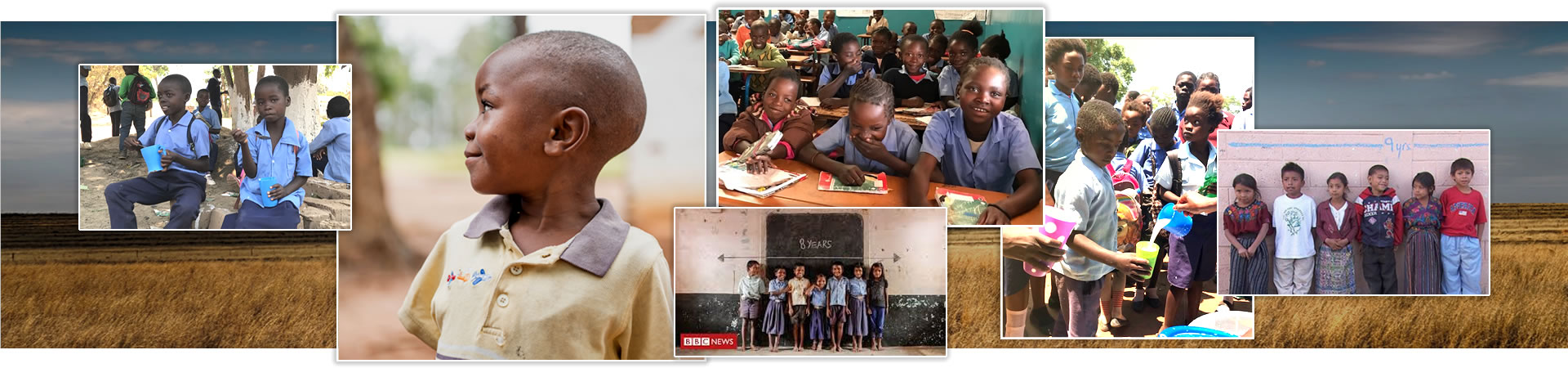
We have provided food supplements to school children in Zambia as part of a CSR programme for a major mining group. In the past the mine has focused on providing infrastructure and learning materials, as well as teacher support, to improve the performance of children attending the schools that it supports. We wanted to get involved with this programme as we understand that a child’s prospect of learning and retaining knowledge is significantly reduced if that child is hungry. Hungry children have problems concentrating, have higher absenteeism rates, are prone to falling sick, and often have behavioural issues in class. Their ability to perform is significantly reduced, and we want to play our part in addressing these issues.
It has been conservatively estimated that more than 200 million children under the age of five fail to reach their potential in intellectual development due to poverty, poor health and nutrition, and deficient care.
Due to our intervention regarding children and nutrition, there have been significant improvements in all areas.
Through working with this initiative, we discovered that the problems faced by under-nourished children are far greater than just those related to the classroom. Issues such as stunting, wasting and underweight regarding children, can have long-term consequences for the child, the community and the country.
Factors that contribute to stunted growth and development include
- poor maternal health and nutrition before and during pregnancy
- inadequate infant and young child feeding practices, and
- Nutrition
All of these factors influence a child’s early growth and development, and it is important to remember that this begins in the womb.
The number of children who are stunted is staggering
The number of children who are stunted is staggering -globally, about one in four children under five years old are stunted (26% in 2011). An estimated 80% of the world’s 165 million stunted children live in just 14 countries – India, Nigeria, Pakistan, China, Indonesia, Bangladesh, Ethiopia, DRC, Philippines, Tanzania, Egypt, Kenya, Uganda and Sudan [5] – 8 of which are in Africa.
The prevalence of stunting is highest in Africa (40%) and Sub-Saharan Africa has one of the highest levels of child malnutrition globally.
Some examples of countries in Sub-Saharan Africa :
| Country | Year of Demographic and health survey (DHS) | No of stunted children (%) |
|---|---|---|
| Namibia | 2013 | 23.8 |
| Kenya | 2014 | 26.0 |
| Swaziland | 2007 | 28.9 |
| Zimbabwe | 2011 | 32.0 |
| Uganda | 2011 | 33.4 |
| Tanzania | 2016 | 34.4 |
| Rwanda | 2015 | 37.9 |
| Zambia | 2014 | 40.1 |
| Mozambique | 2011 | 42.6 |
| Malawi | 2010 | 47.1 |
| South Africa[9] | 2013 | 25 – 26 |
This issue has been recognised by the World Health Organisation (WHO), and in 2012 the World Health Assembly Resolution 65.6 endorsed a Comprehensive implementation plan on maternal, infant and young child nutrition, which specified six global nutrition targets for 2025. The initial target of this initiative is to affect a 40% reduction in the number of children under five years old who are stunted.
Research shows that stunting can have long-term effects on
- cognitive development,
- school achievement,
- economic productivity in adulthood, and
- maternal reproductive outcomes.
This evidence has contributed to the growing scientific consensus that tackling childhood stunting is a high priority for reducing the global burden of disease and for fostering economic development.
Although a child may not be classified as ‘stunted’ until the ages of two to three, the process of becoming stunted typically begins as early as in utero.
Reductions in stunting and other forms of undernutrition can be achieved through proven interventions.
These include
- improving women’s nutrition, especially before, during and after pregnancy;
- early and exclusive breastfeeding;
- timely, safe, appropriate and high-quality complementary food; and
- appropriate micronutrient interventions.
During foetal life and the first two years after birth, nutritional requirements to support rapid growth and development are very high.
What we provide
Altor Africa is passionate about providing quality, nutritional products to societies that are in need of such assistance, such as:
- an instant porridge formulated specifically to provide pregnant and breast feeding women with all the nutrition they require.
- a product specifically formulated to address the nutritional needs of children under the age of five, and
- our generic nutritional product for all school children.
Opportunities to make a difference
- Corporate Social Responsibility (CSR) programmes
- Relief work
- Government feeding schemes
- Aid Agencies
- Community wellness programmes
- Feeding scheme tenders